

Home Renovation Oxfordshire
Home renovations in West Oxfordshire and the surrounding area are a large part of H & OB Building’s services. We have years of experience in renovation and home improvements and can confidently take on a range of projects, from small loft conversions and simple painting and decorating to fully fitted kitchens and bathrooms.
H & OB Building’s expert team can renovate your entire home, including any additional rooms such as extensions and conservatories.
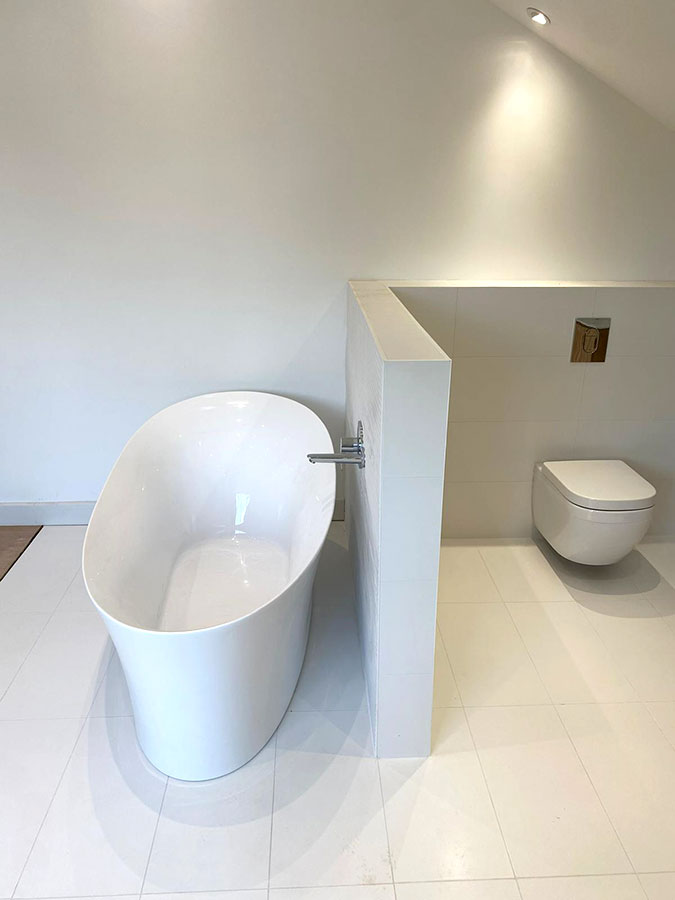
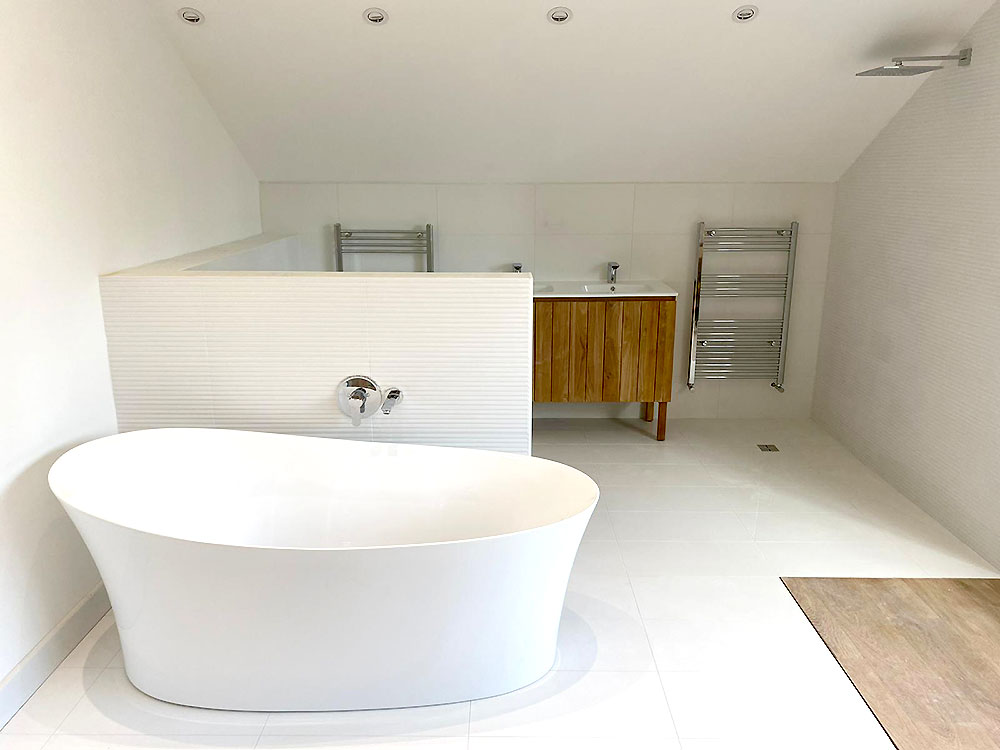


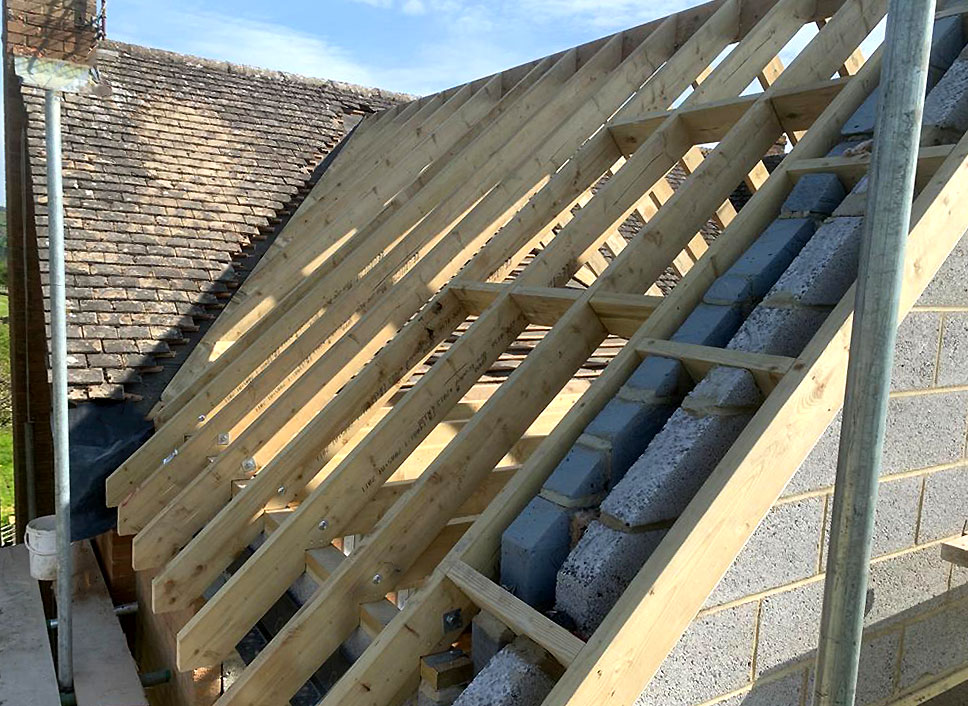
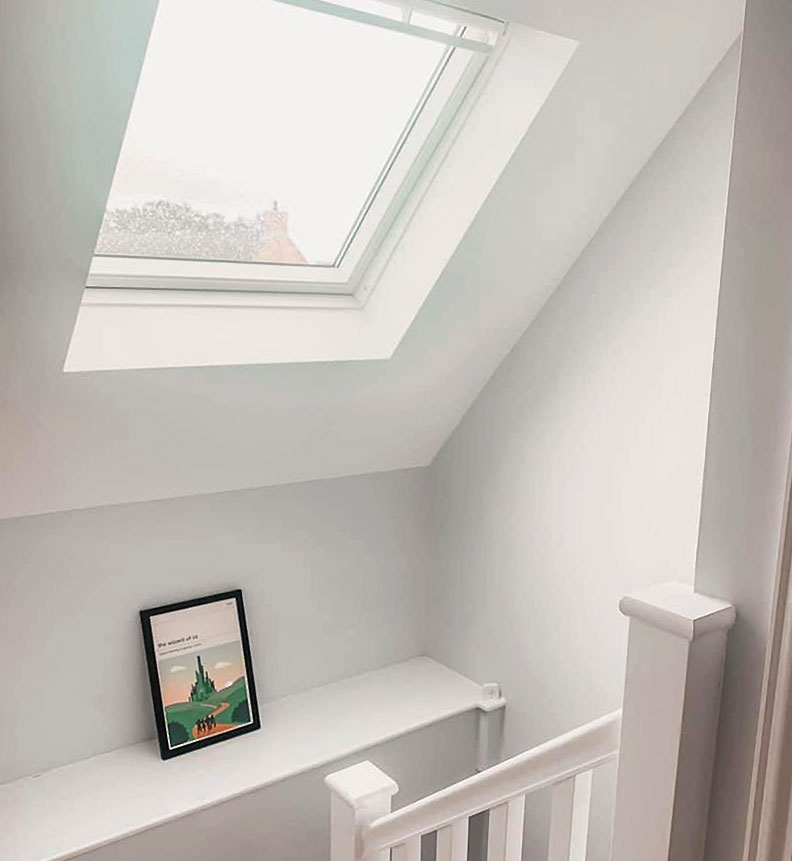
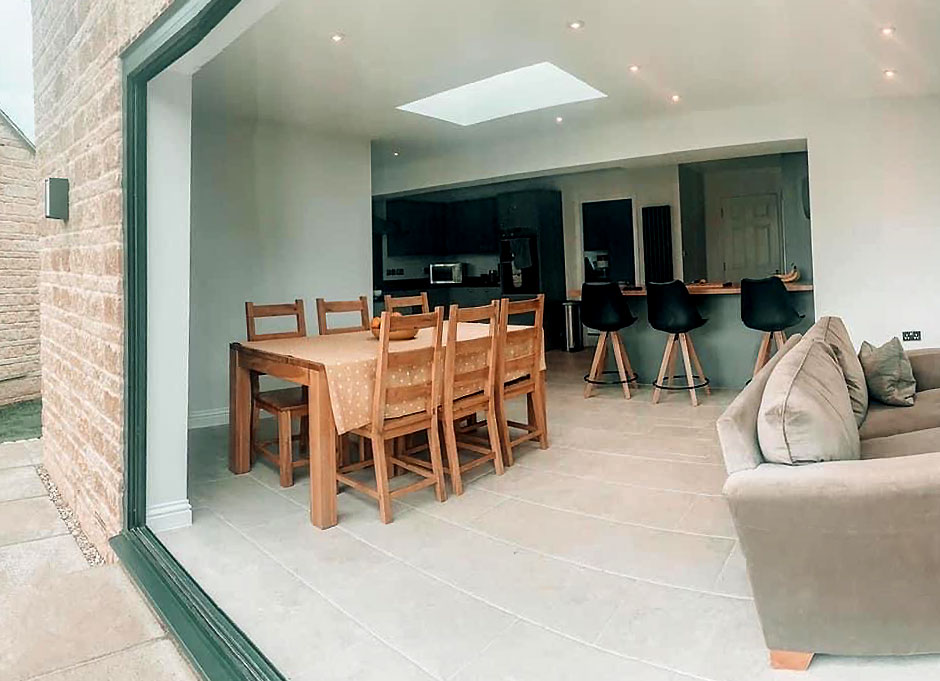
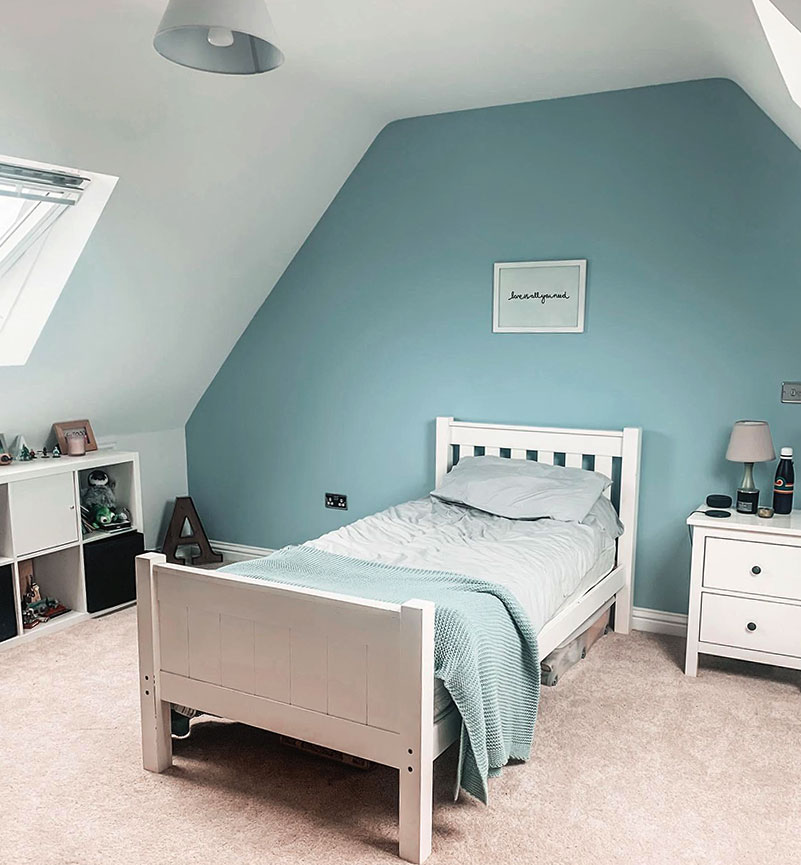
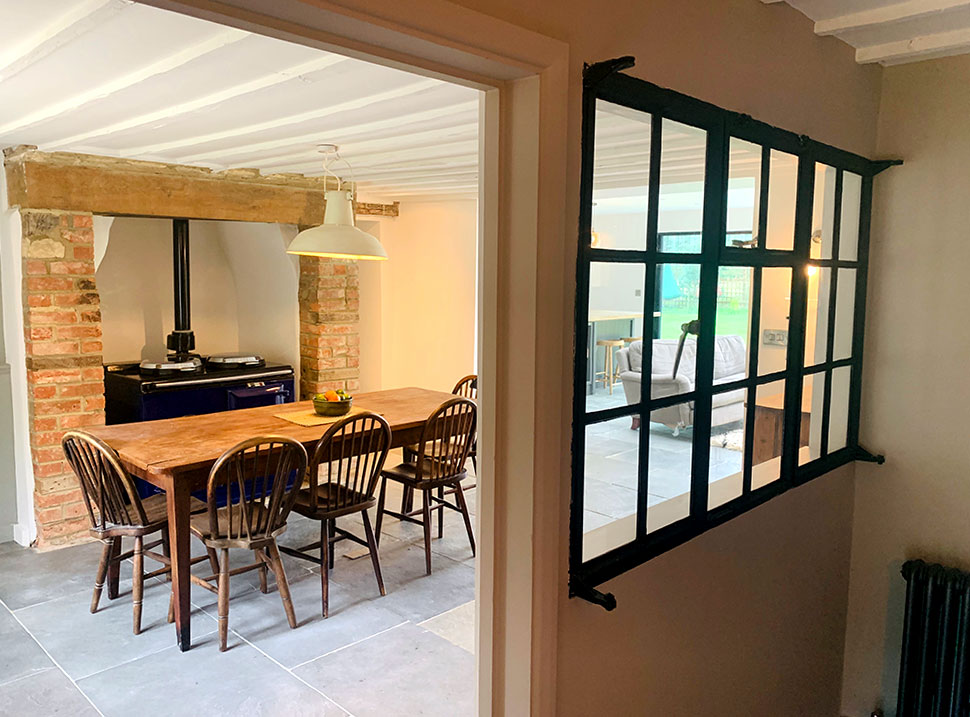
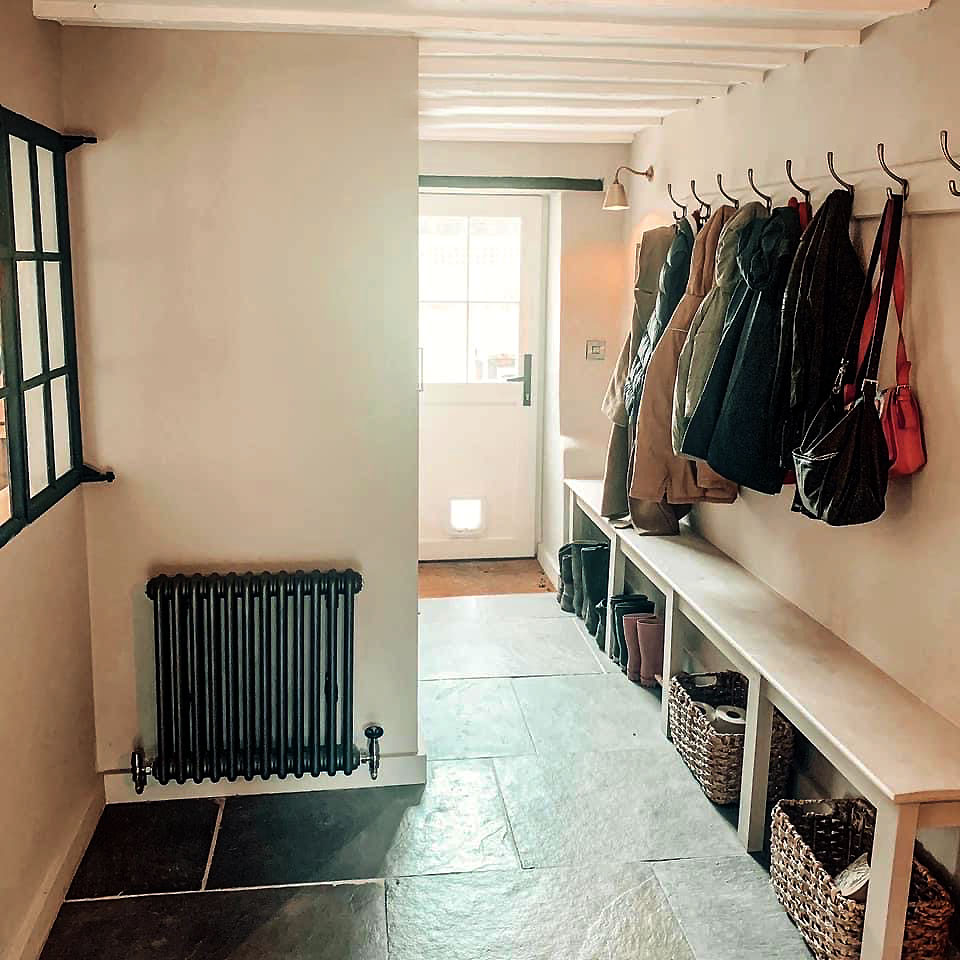


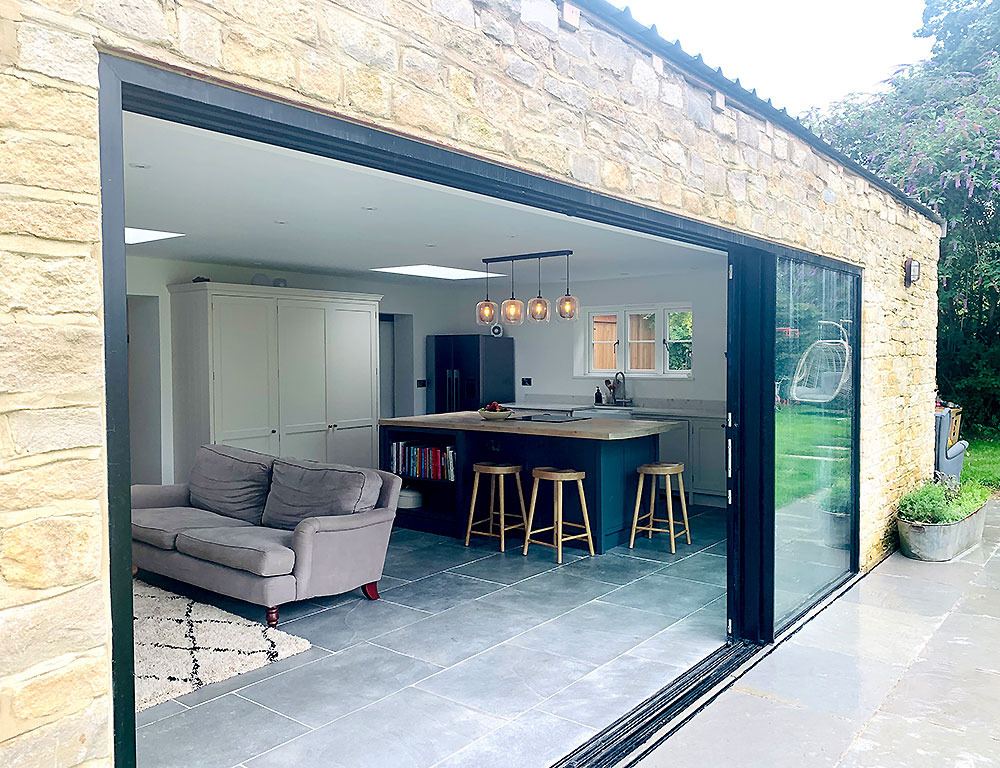
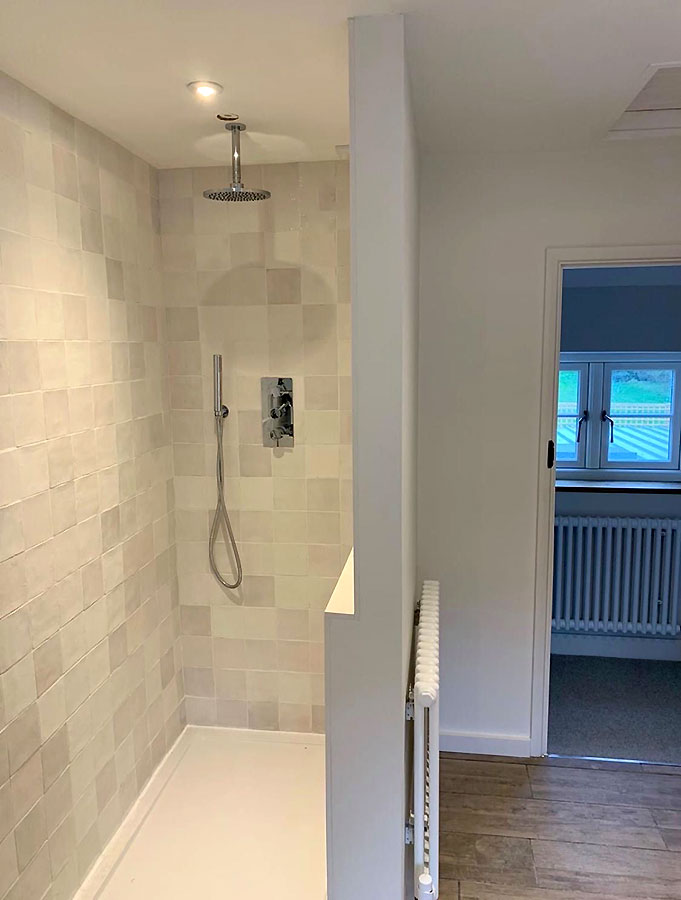

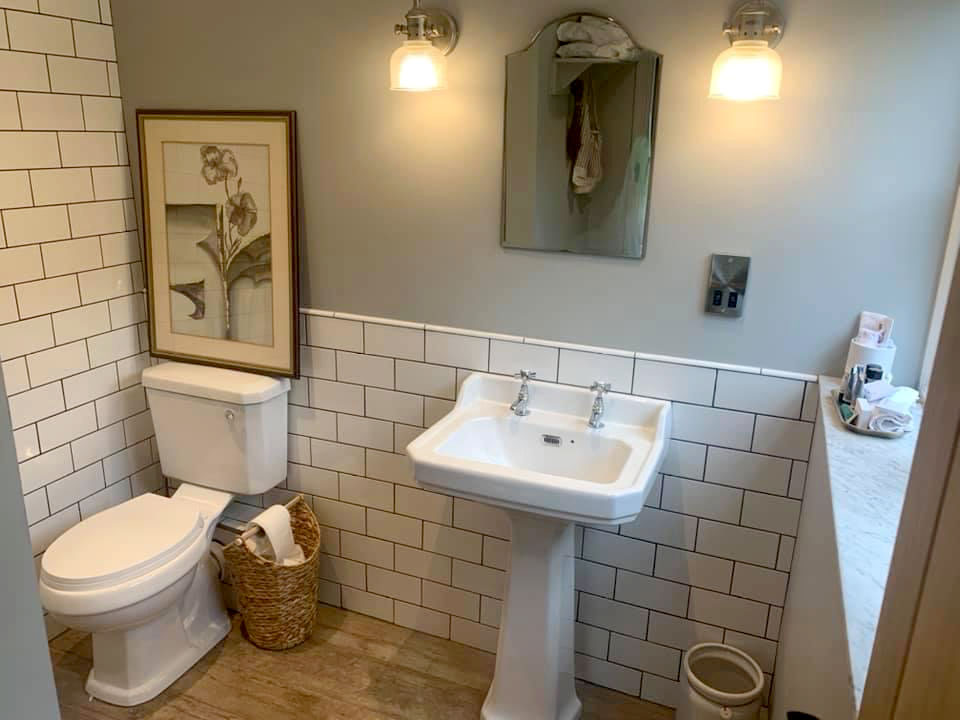
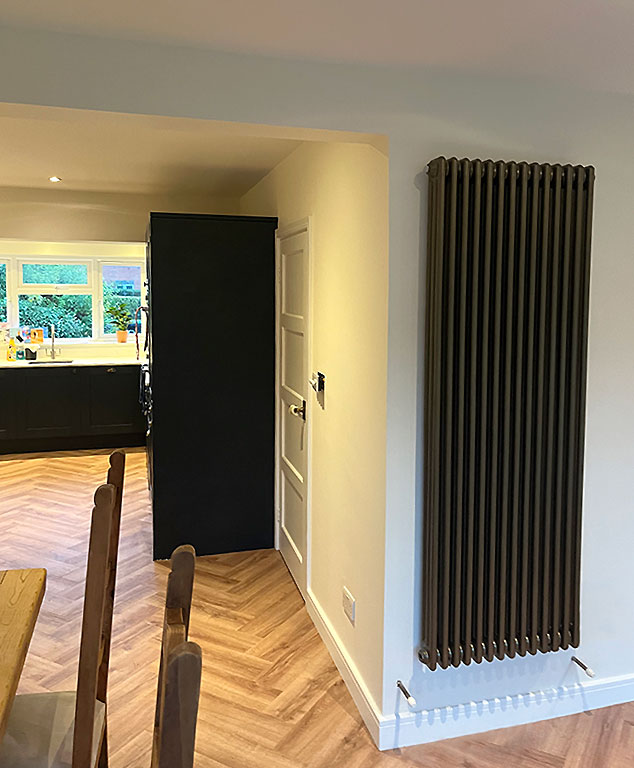
Renovate Your Way
Our customers say they enjoy working with us as we make sure all specifications are exactly what they’re looking for.
But if you don’t know where to start with your home renovation, don’t worry; H & OB Building can guide you through the process.
We are well-versed in home renovation that suits unique needs and are happy to offer suggestions throughout the project. We can even put you in touch with local, trusted architects.
If you’d like a quote for home renovation, or some inspiration and advice, get in touch. We’d love to help.
Our Renovation Services
Renovation FAQs
How Long Does it Take to Renovate a House?
The timeline for a renovation can vary widely depending on the scope, but as a rule of thumb, a complete renovation of a standard three-bedroom home typically takes 4 to 8 months of active construction.
When you include the pre-construction phase, which is design, structural engineering, and time required for planning permission, if applicable, the total journey from your first idea to moving back in is usually closer to 9 to 15 months.
The schedule is dictated by the sequence of trades. Structural work and first-fix (hidden wiring and plumbing) take the first 2 to 3 months. Followed by what we call the wet trades, like plastering, which require drying time before you can start second-fix tasks like fitting kitchens or flooring.
Minor renovations, such as a single-room refresh, can often be completed in 2 to 4 weeks.
How Much Does a Renovation Cost?
The cost of a home renovation typically starts from £1,200 per square metre in the UK, depending on the level of finish and structural complexity.
For a standard 3-bedroom house, for example, you can expect prices to start at around £75,000 for a complete internal renovation.
If your renovation includes high-end bespoke finishes or extensions, costs can easily climb upwards of £250,000.
Location is also a big factor in the cost of a renovation, with London and the South East often having a 20–40% premium due to higher labour and logistics costs.
Individual room renovations vary; a standard kitchen renovation, on average, starts from £15,000, while a bathroom renovation typically begins at around £6,000.
How do you Budget for a Home Renovation?
A successful renovation budget starts with an itemised scope that breaks the project into phases. Ideally, you’ll want to work from the outside in (complete structural tasks before painting and decorating).
It’s a good idea to get a quote from a trusted local contractor to establish a market baseline and ensure that all fees, such as those for structural engineers or planning permission, are accounted for.
The most critical rule of renovation budgeting is the contingency fund, which should be 10–15% of your total estimated cost (or 20% for older-period properties).
Think of this as a safety net to cover any hidden issues that may arise, such as faulty wiring or dampness that only become visible once demolition begins.
Tip: To stay extra organised, use a spreadsheet to log expenses, from large contractor payments to small decorative hardware.
What is the Difference Between a Renovation and a Remodel?
While these terms are often used interchangeably, the main difference is in the scope and structure.
A renovation is essentially a refresh; restoring a home or room to good condition without changing its basic purpose.
For example, painting, installing new flooring, or replacing old kitchen cabinets with new ones in the same layout. Renovations focus on aesthetics and updates.
A remodel involves changing the structure or function of a space, such as knocking down walls to create an open-plan living area, moving plumbing to the other side of the room, or adding an extension.
Remodels are generally more expensive and complex than renovations and often require architectural drawings, structural changes, and official permits.